FOOD.COM | Sometime’s It’s Best To Order In
The late '90s were the Wild West of the internet. Dot-com brands weren't expected to behave—they were expected to surprise. Sock puppets, exploding gerbils, billion-dollar Super Bowl commercials, and marketing that felt more like performance art than advertising.
Rather than trying to create the loudest campaign, we built the most adaptable one. The strategy wasn't to out-shock the dot-com world. It was to surround it, making Food.com synonymous with those everyday moments when ordering in was simply the better answer. A world where decades collided, reality bent just enough to be believable, and every story ended with the same conclusion: Sometimes it's best to order in.
The Narrative
We built the campaign around a simple truth: life constantly creates moments when ordering in is the better answer. From everyday inconveniences to wonderfully absurd situations, every ad reminded people that sometimes the smartest, funniest, and most satisfying solution was the same. Sometimes it's best to order in.This line became the punchline, the positioning, and the reason every piece of the campaign existed.
The Inciting Incident
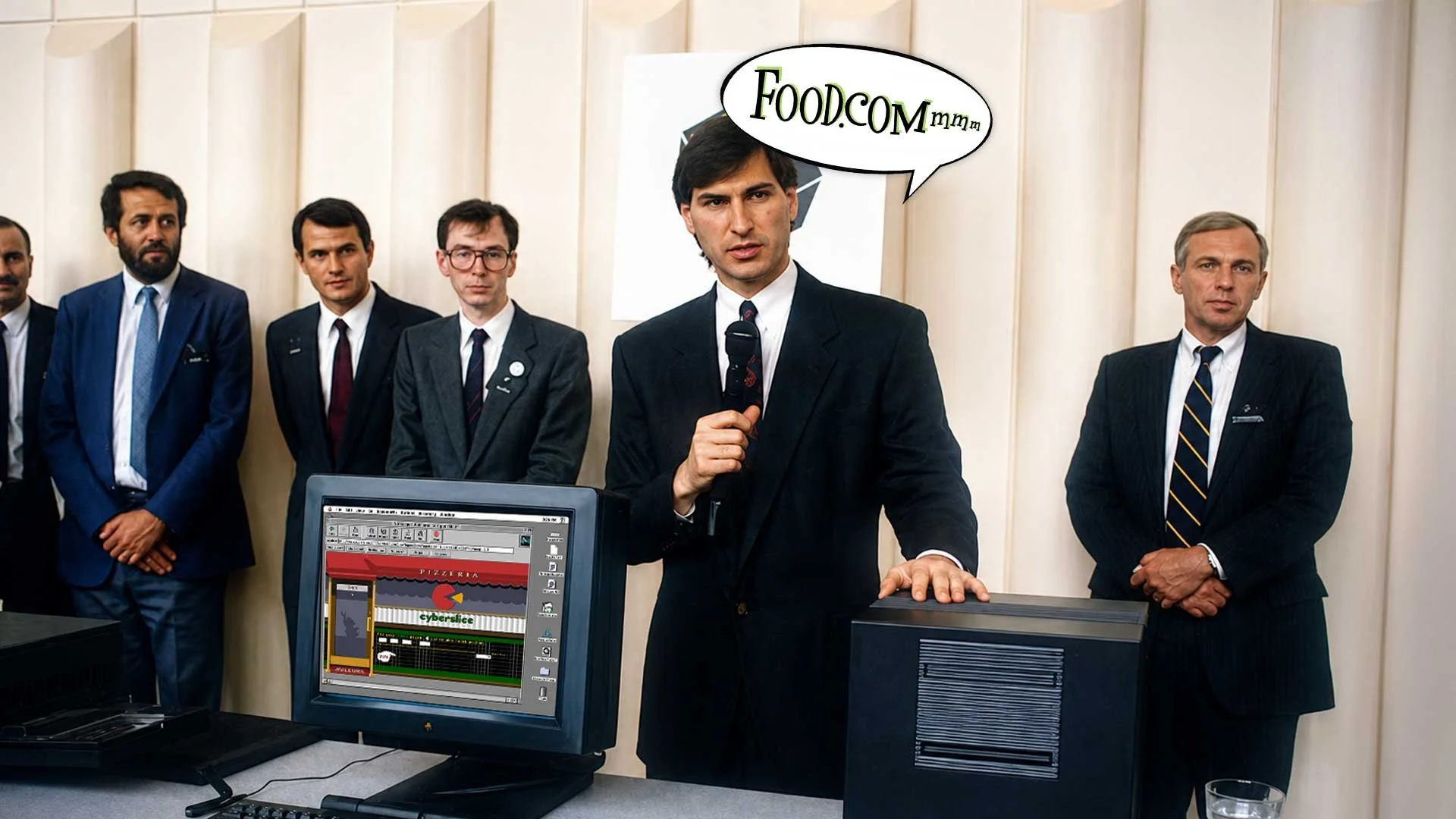
The internet was beginning to change everything, including dinner. The inciting incident came when Steve Jobs demonstrated NEXT Computer's WebObjects technology by ordering a pizza from CyberMeals live on stage, proving that the internet could do more than display information, it could deliver pizza. At the same time, Hollywood imagined connected living in The Net, making the online future feel both exciting and inevitable.
Hollywood Smells Something to Cook
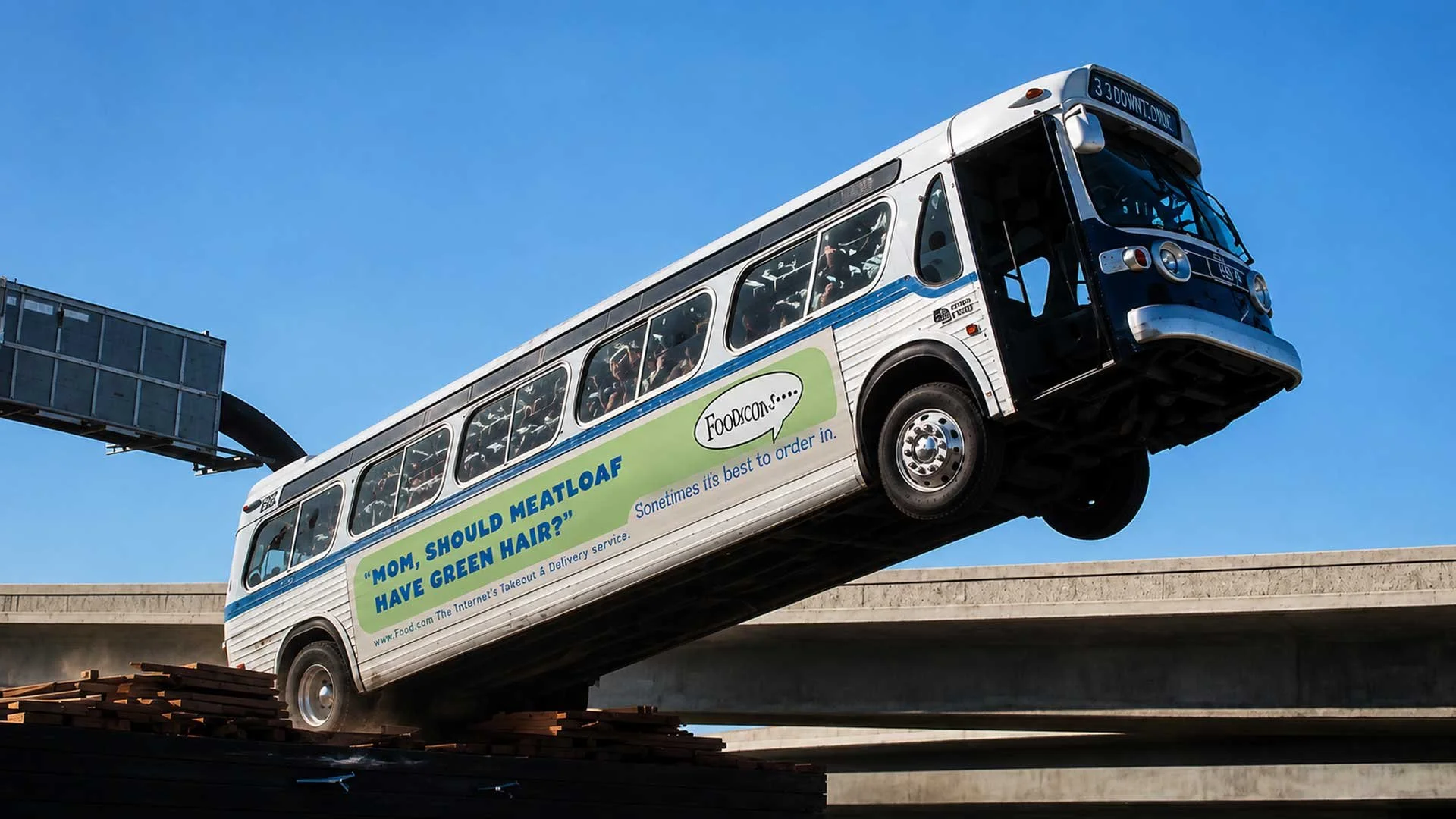
The dot-com boom attracted more than investors. It attracted Hollywood, sniffing around for its next blockbuster. Former Disney Television president Rich Frank arrived as CEO of CyberMeals, and suddenly we found ourselves in the middle of Silicon Valley's version of the movie business. His first move was acquiring the Food.com domain, a name so broad it gave us permission to go almost anywhere creatively. It also transformed a technology start, transforming people could understand instantly. Our assignment was to launch that transformation and make ordering food online feel less like science fiction and more like everyday life.
The Strategic Direction
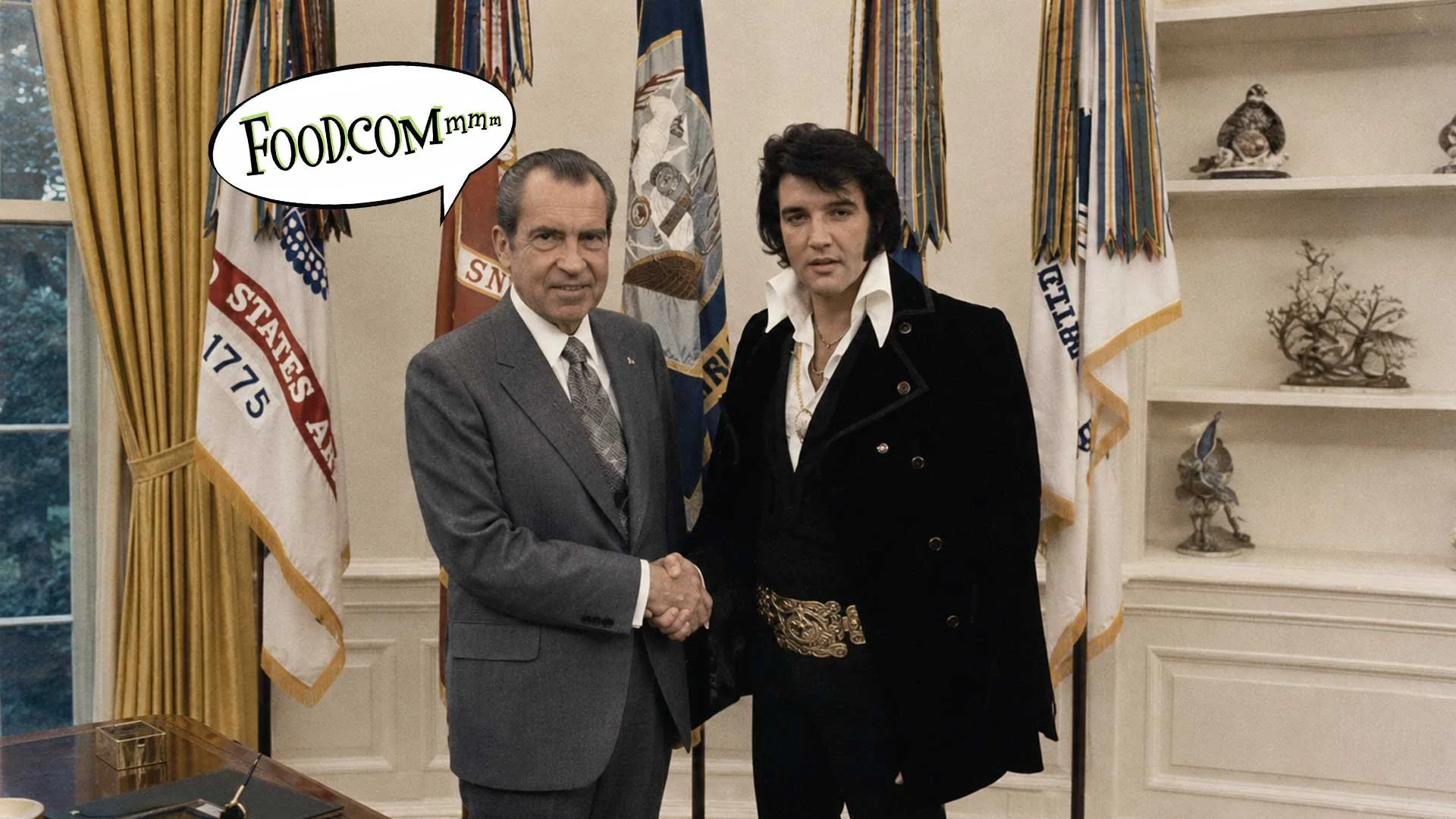
In 1999, the internet felt like a time machine. You waited for the screech of a dial-up modem, logged onto the Information Superhighway, and suddenly found yourself somewhere entirely new. The future had arrived. Most dot-com companies sold the technology. We sold what the technology made possible. Ordering food online wasn't about software. It was about those moments when life got in the way of cooking, working late, unexpected guests, or simply being too tired to make dinner. Sometimes it's best to order in. That became more than a tagline. It became the strategy, the punchline, and the organizing principle behind every piece of the campaign.
The FOOD.COM Bubble
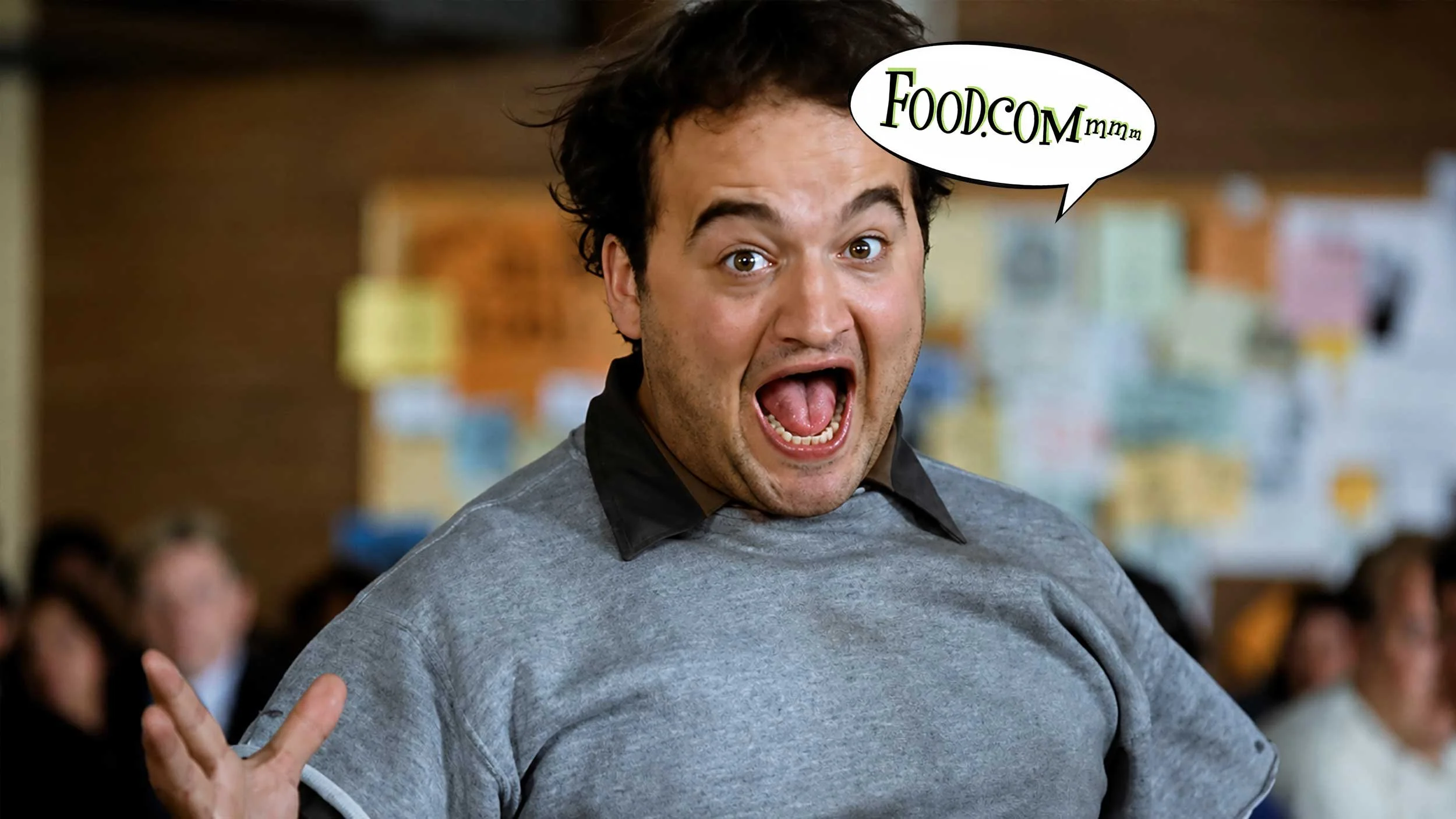
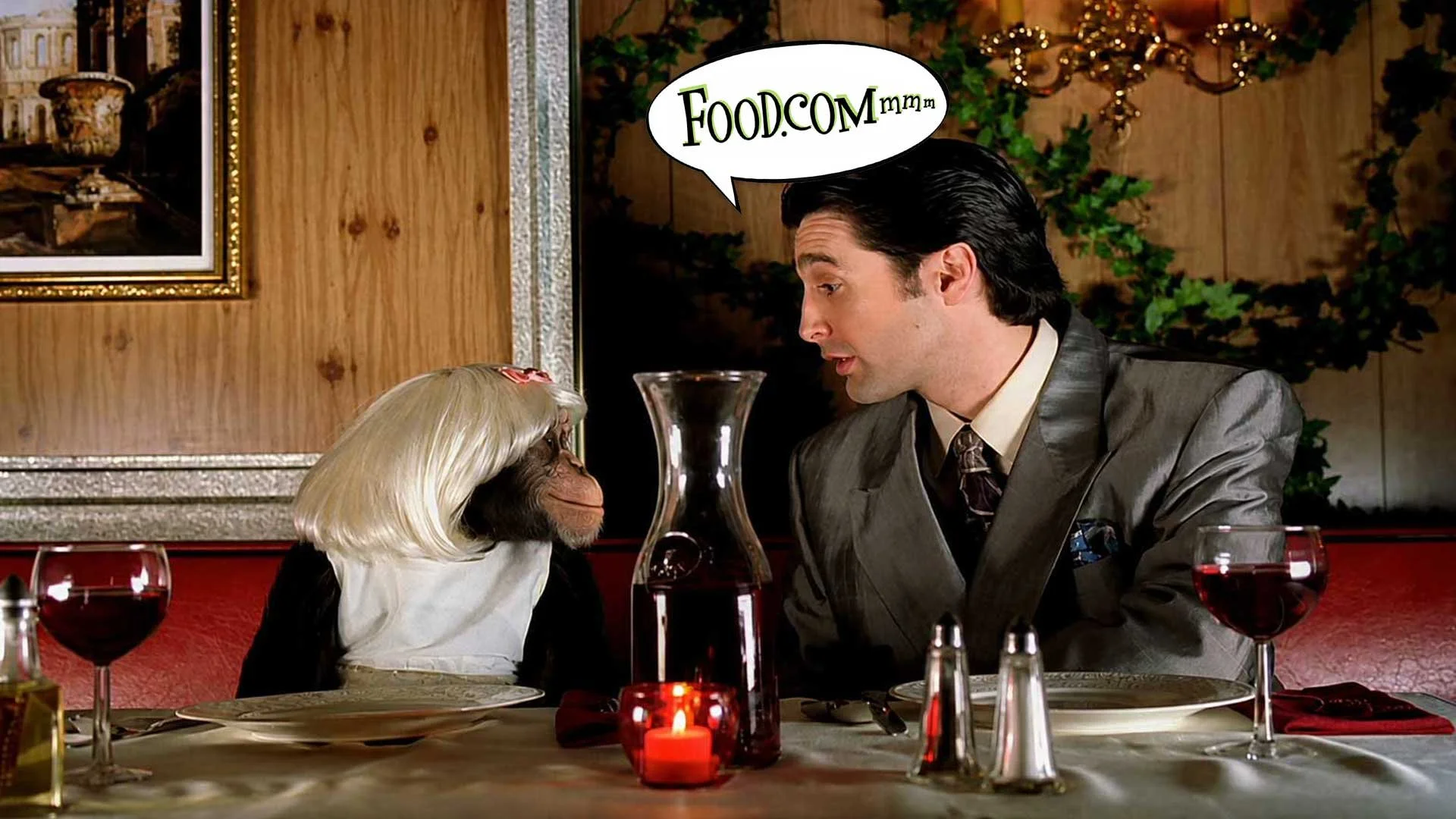
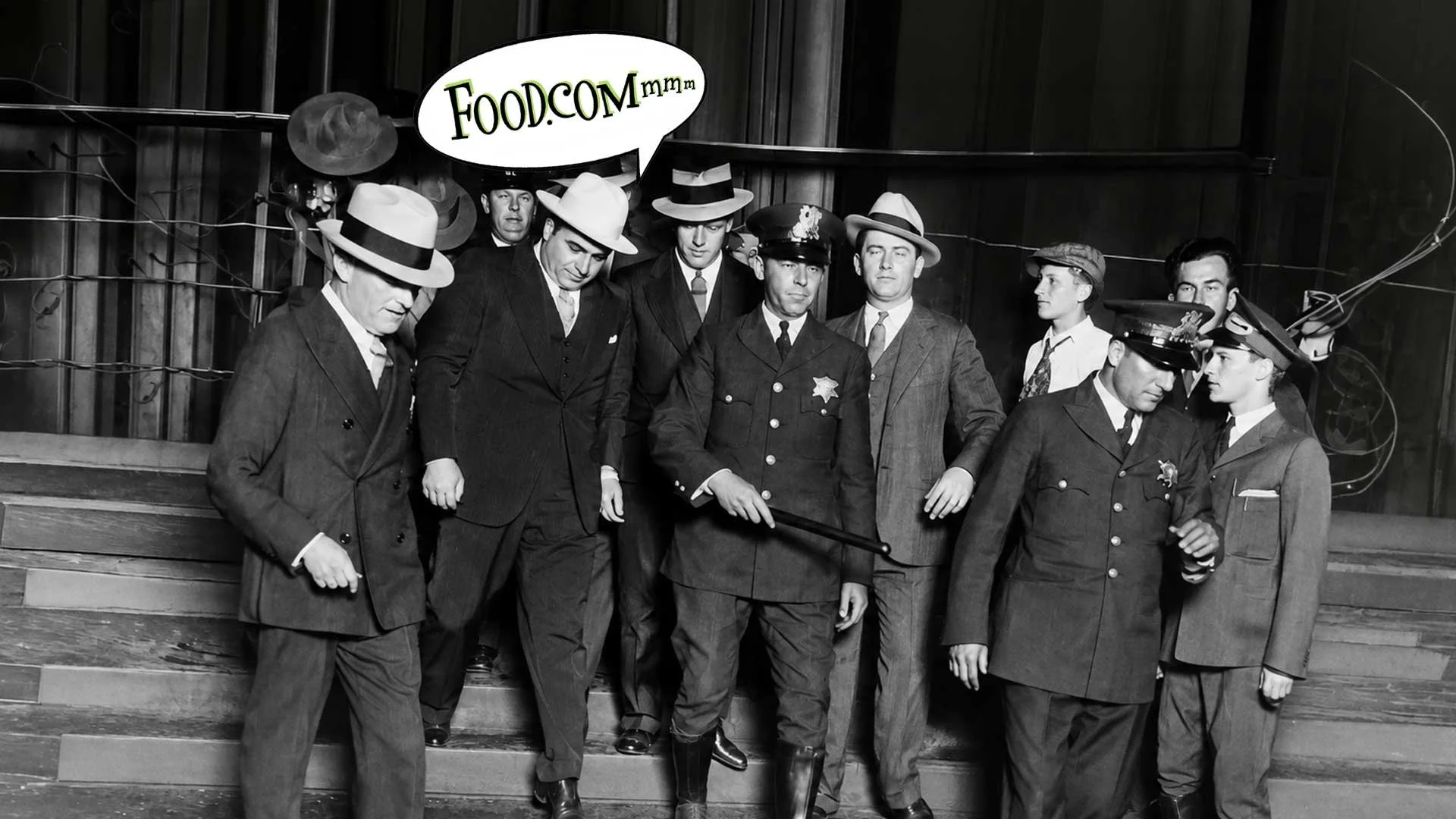
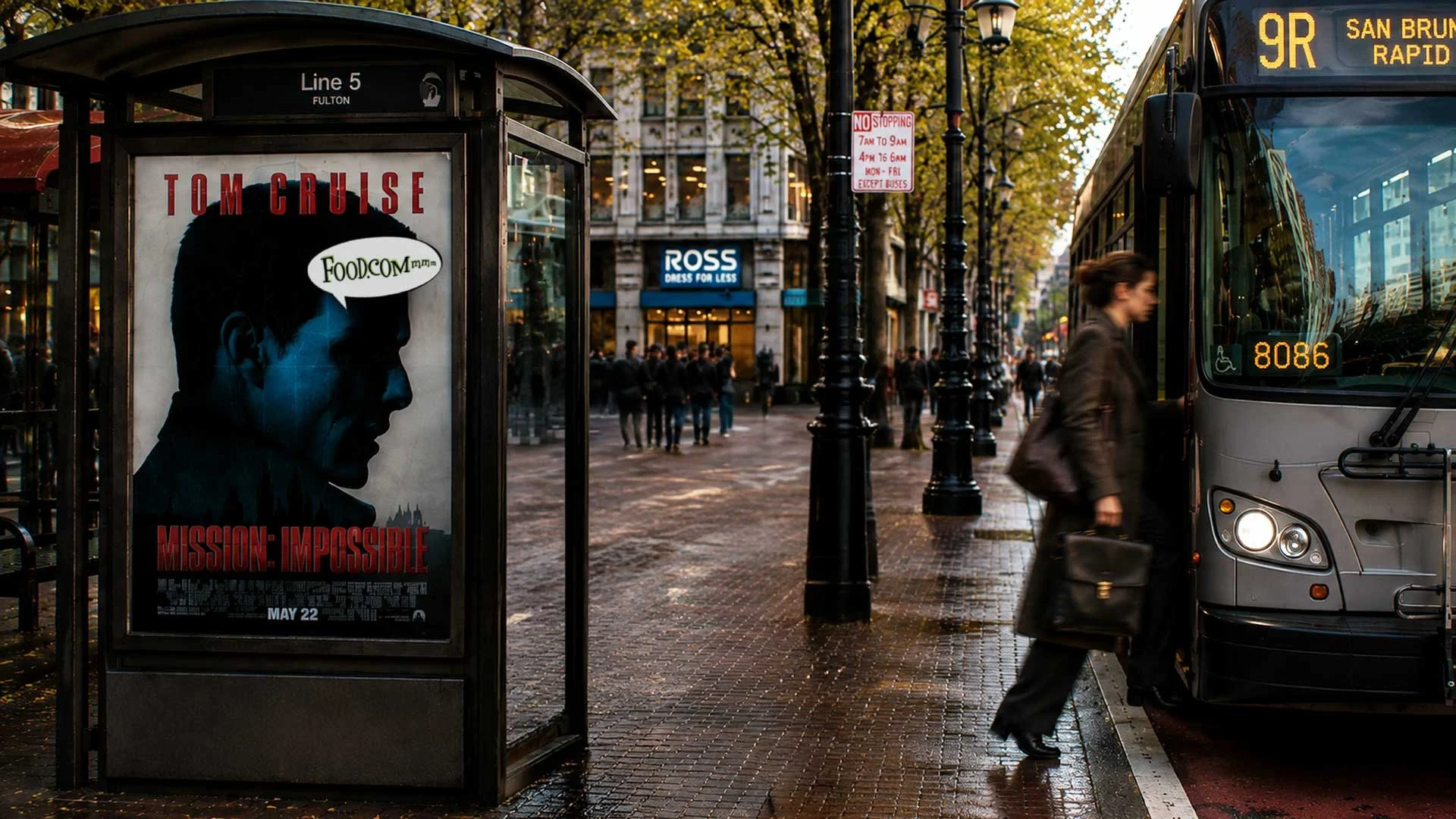
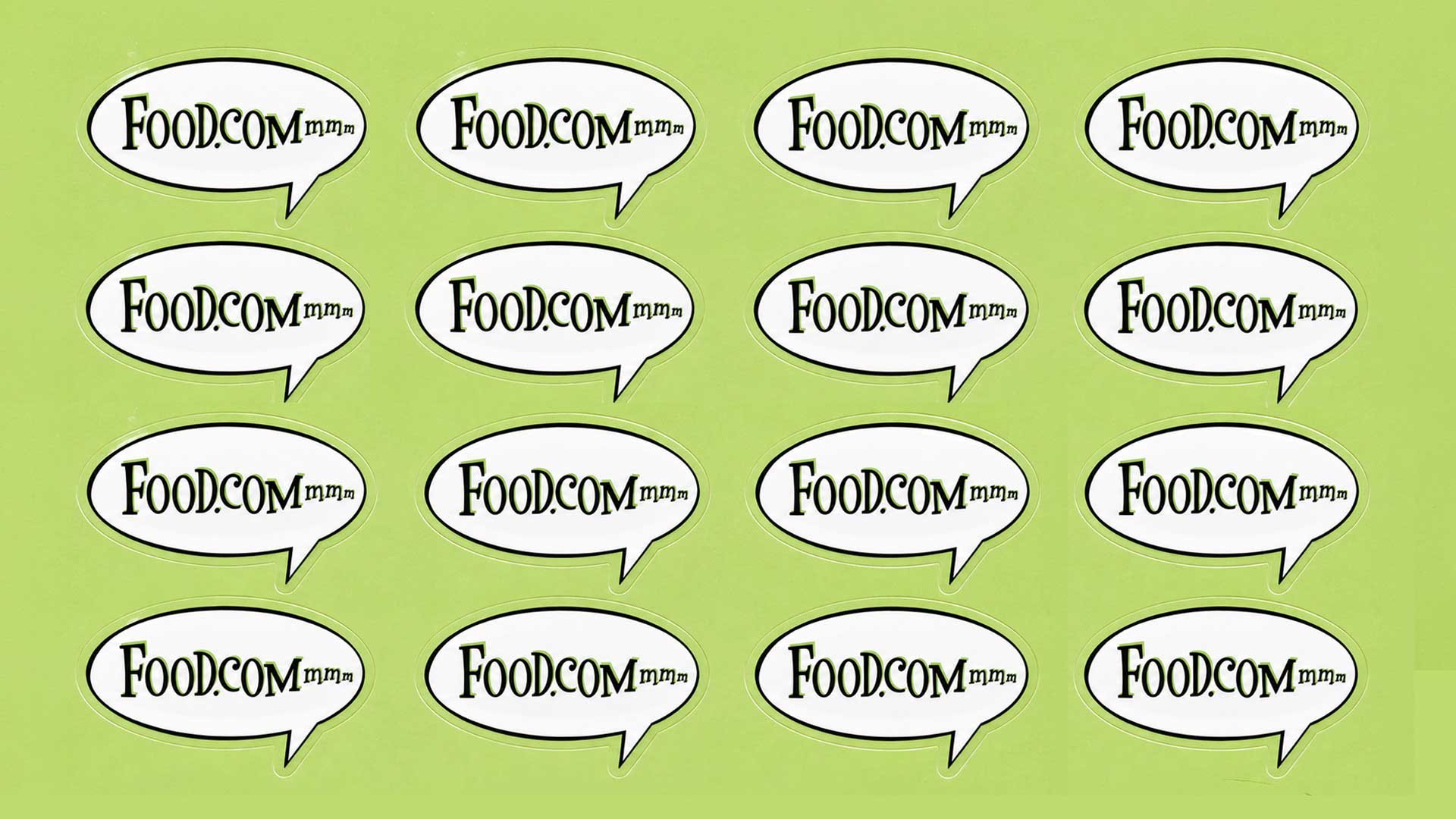
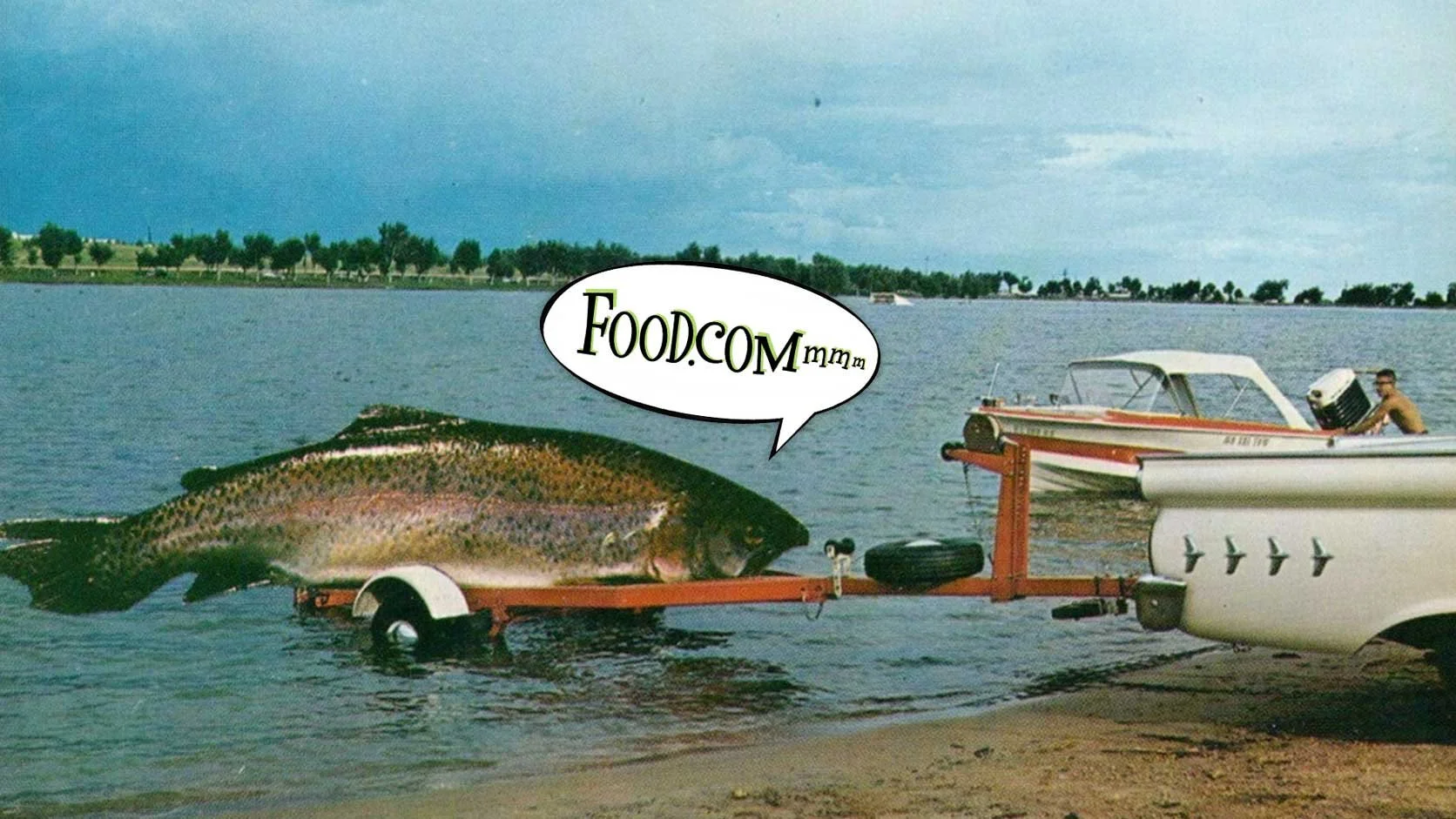
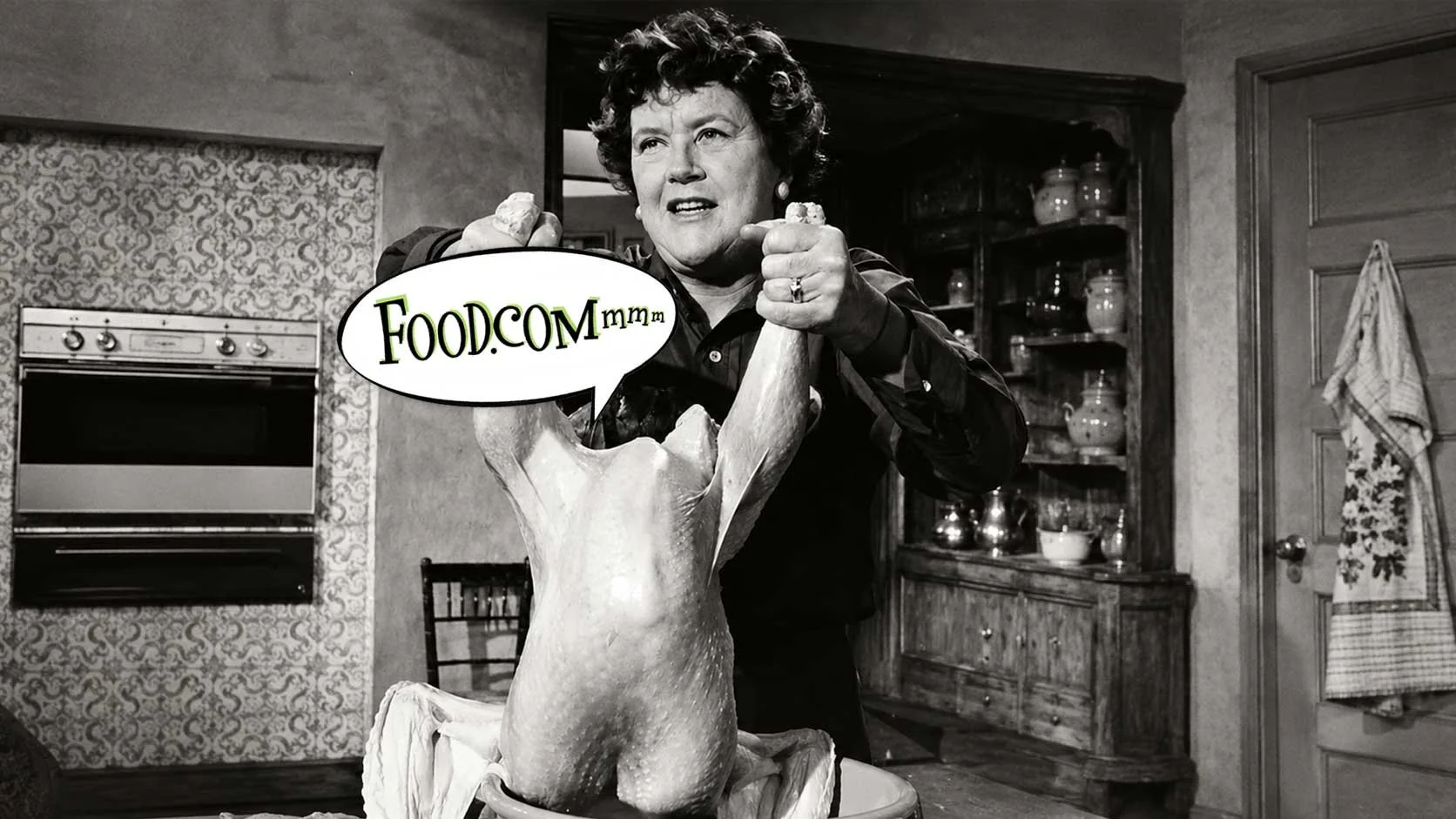
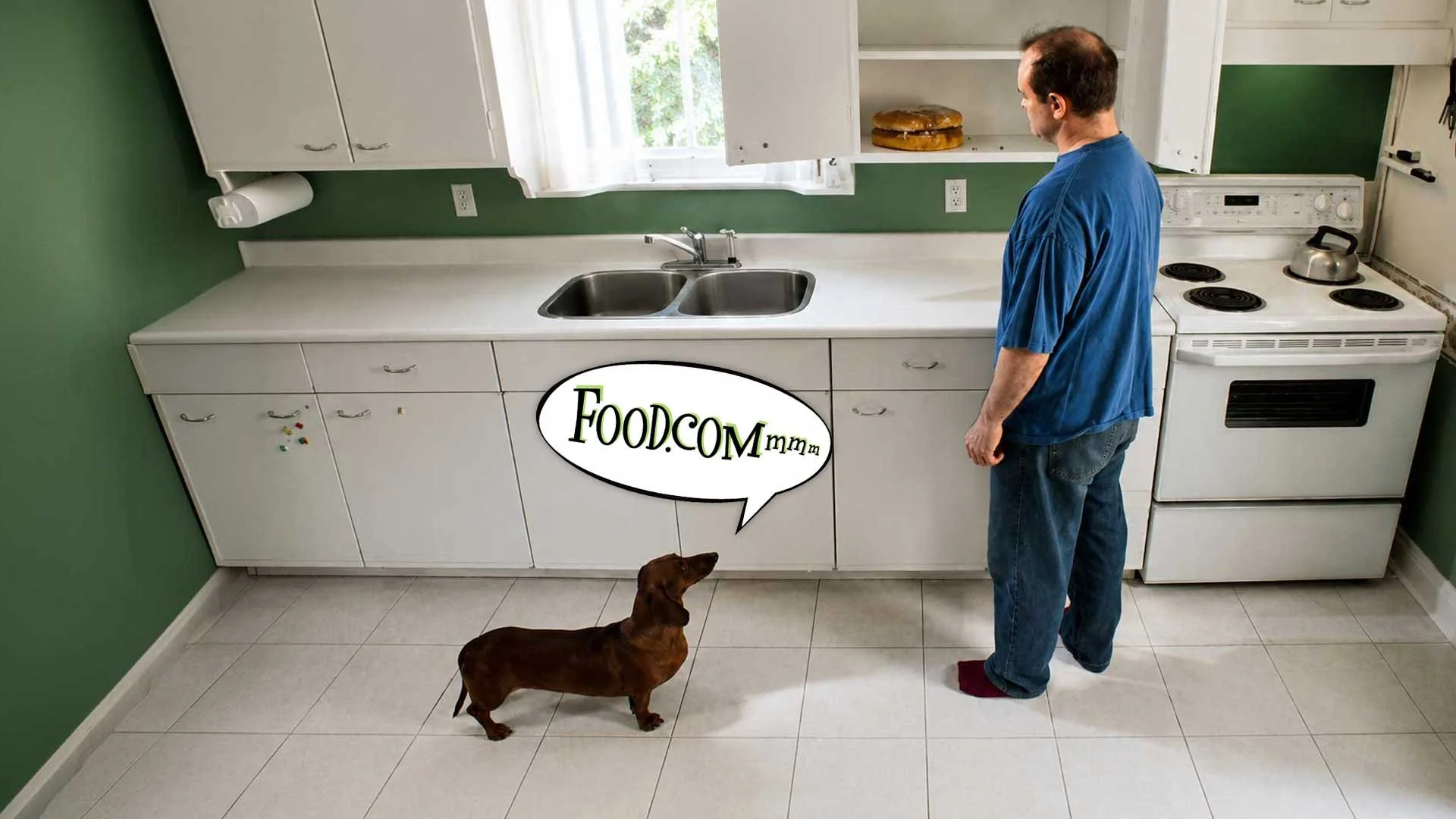
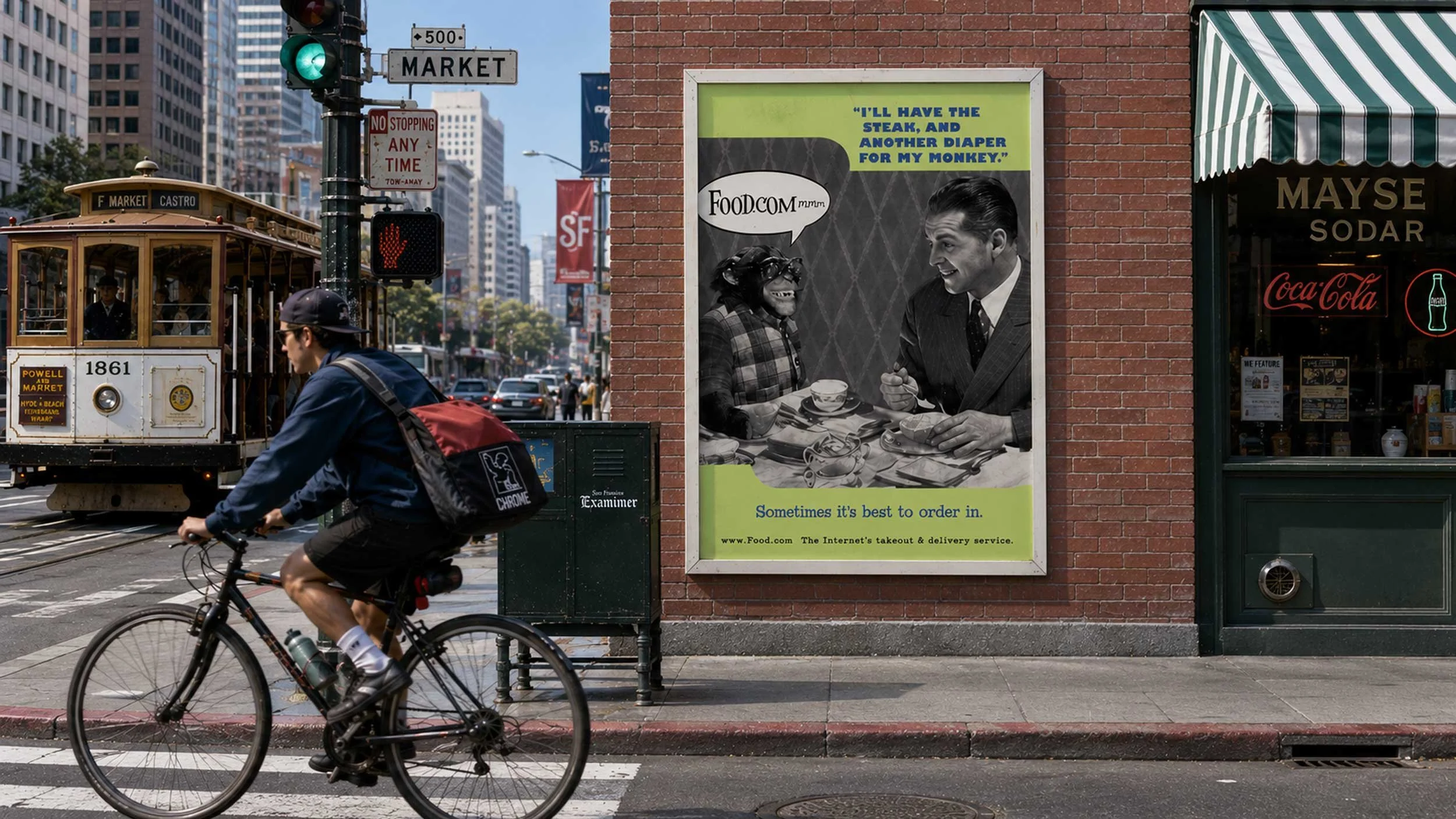
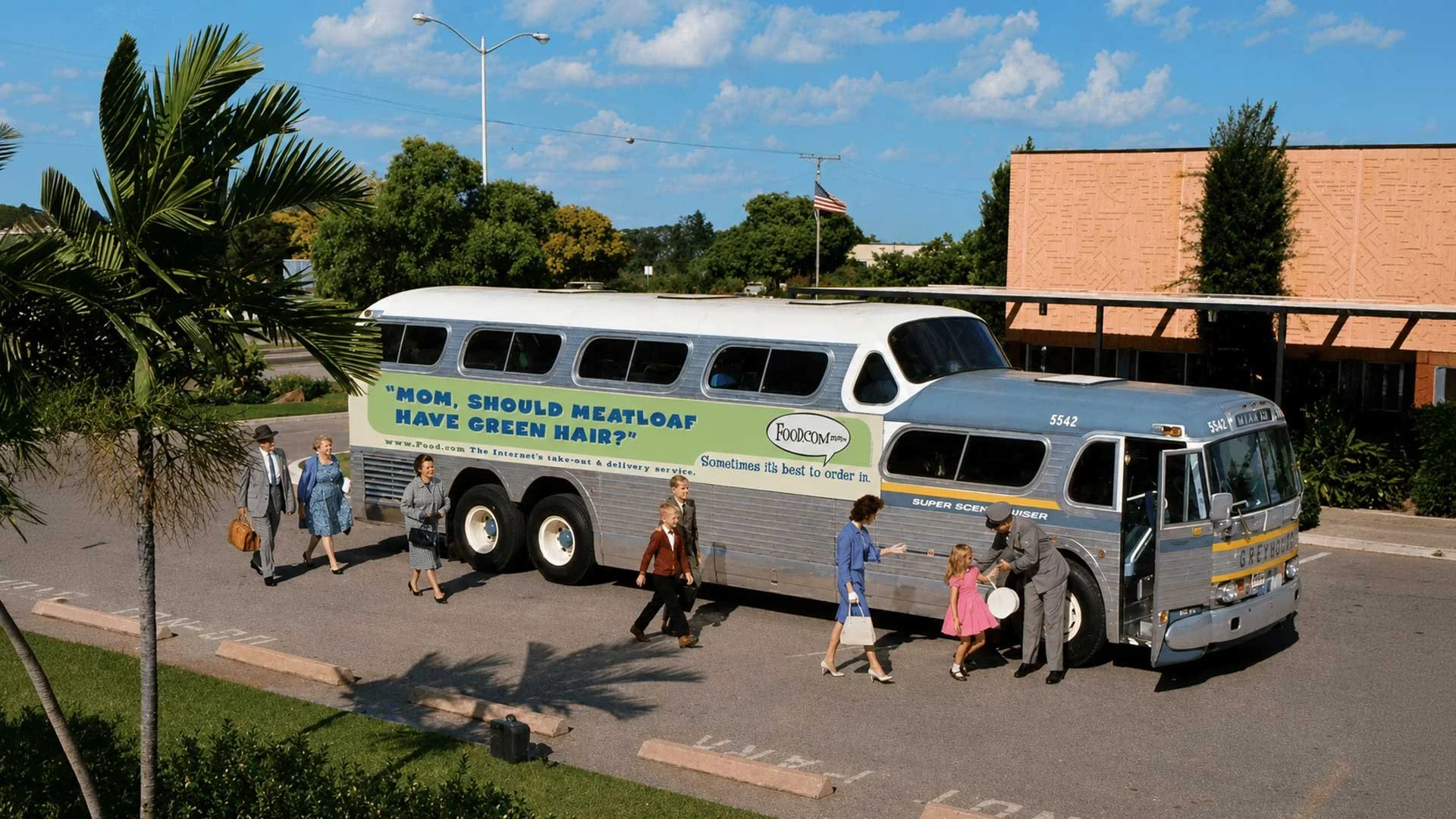
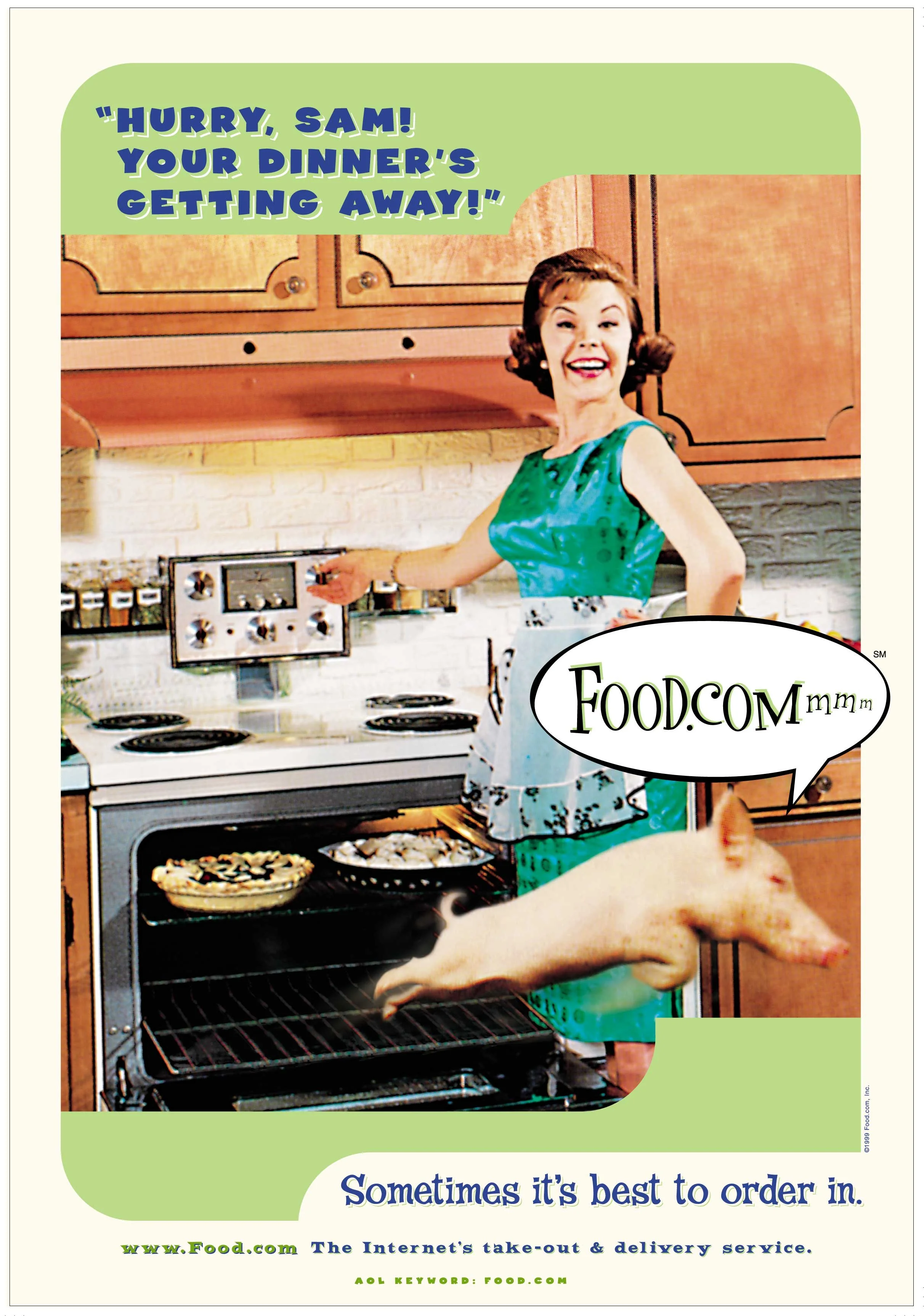
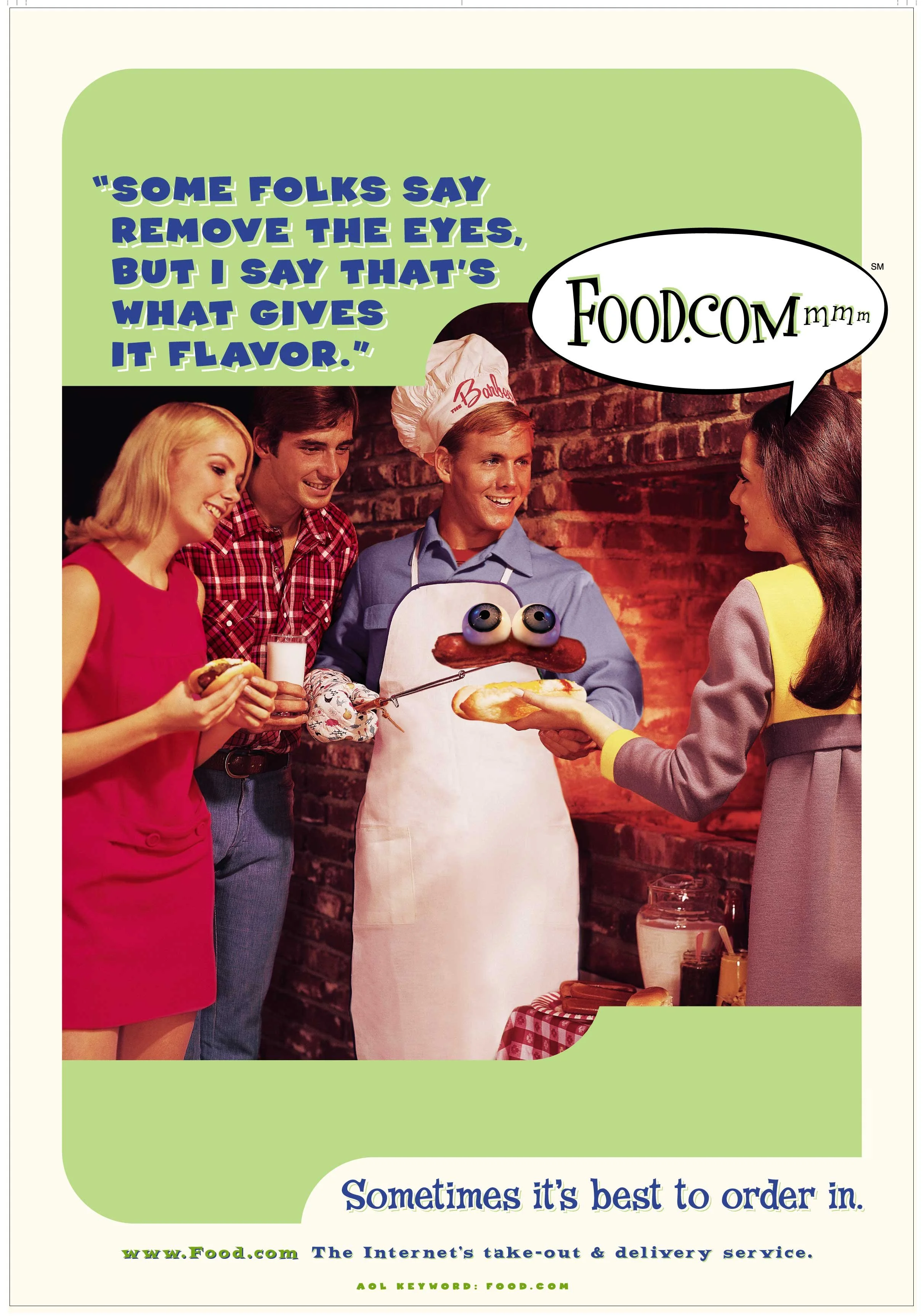
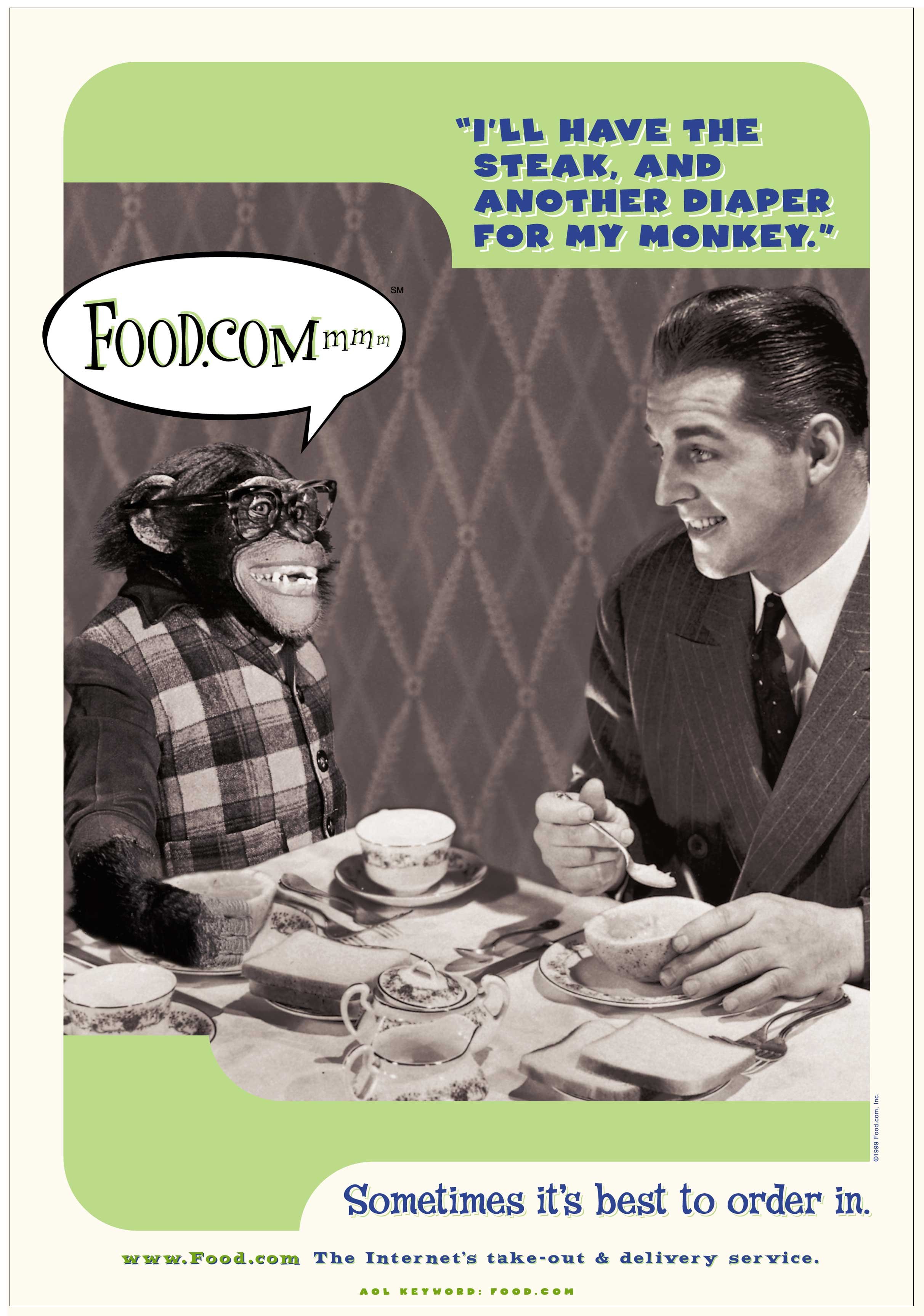
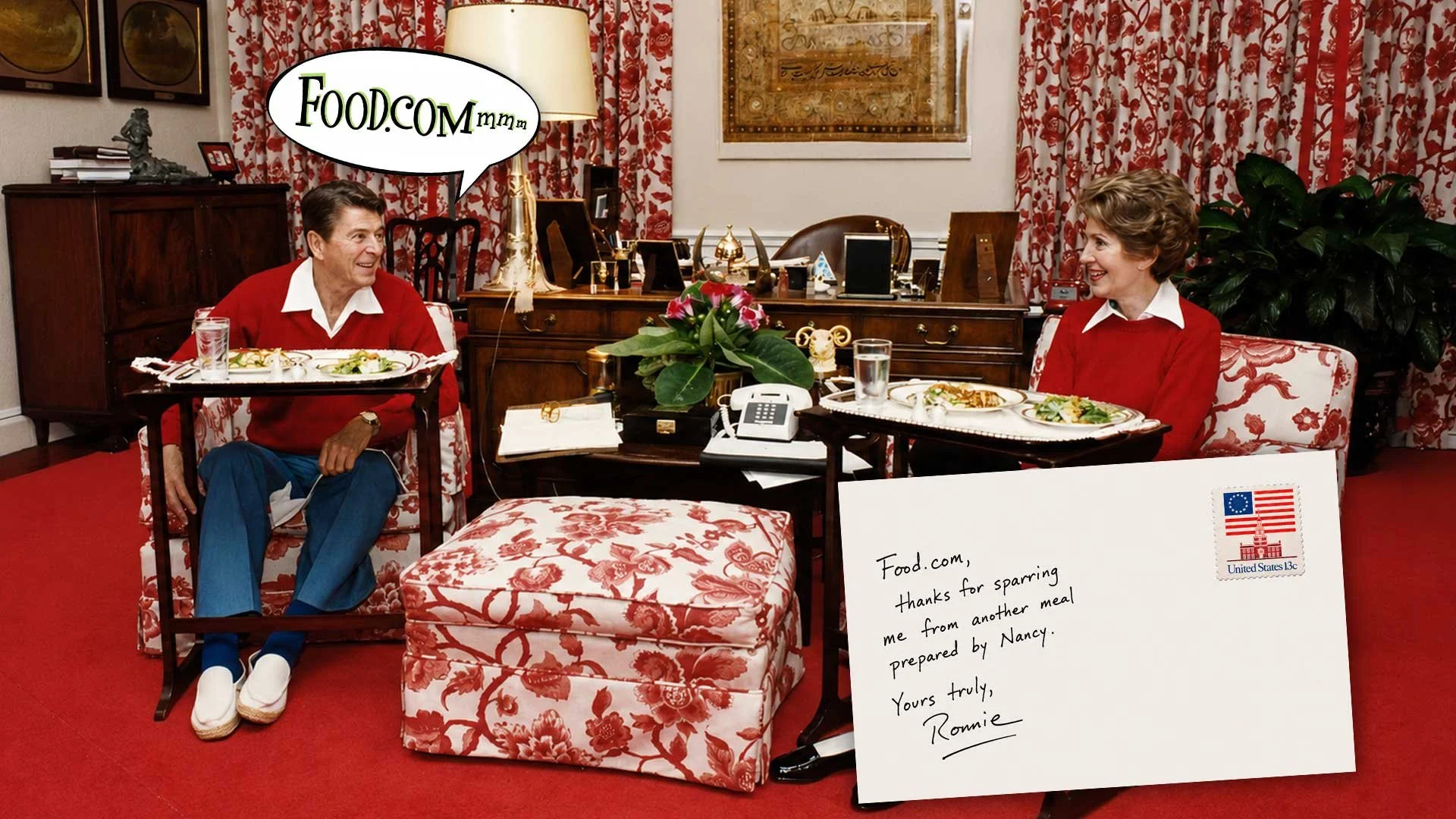
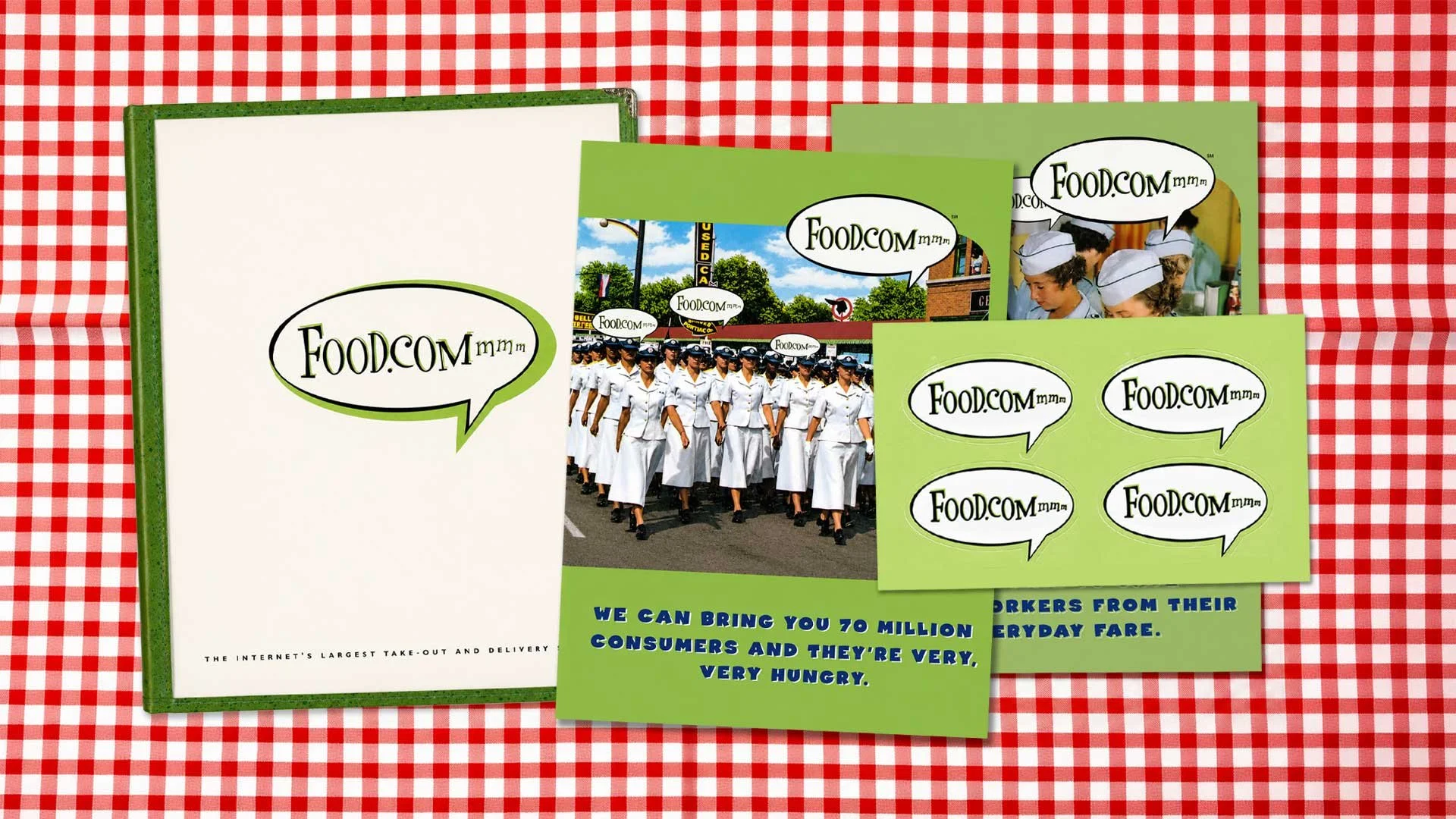
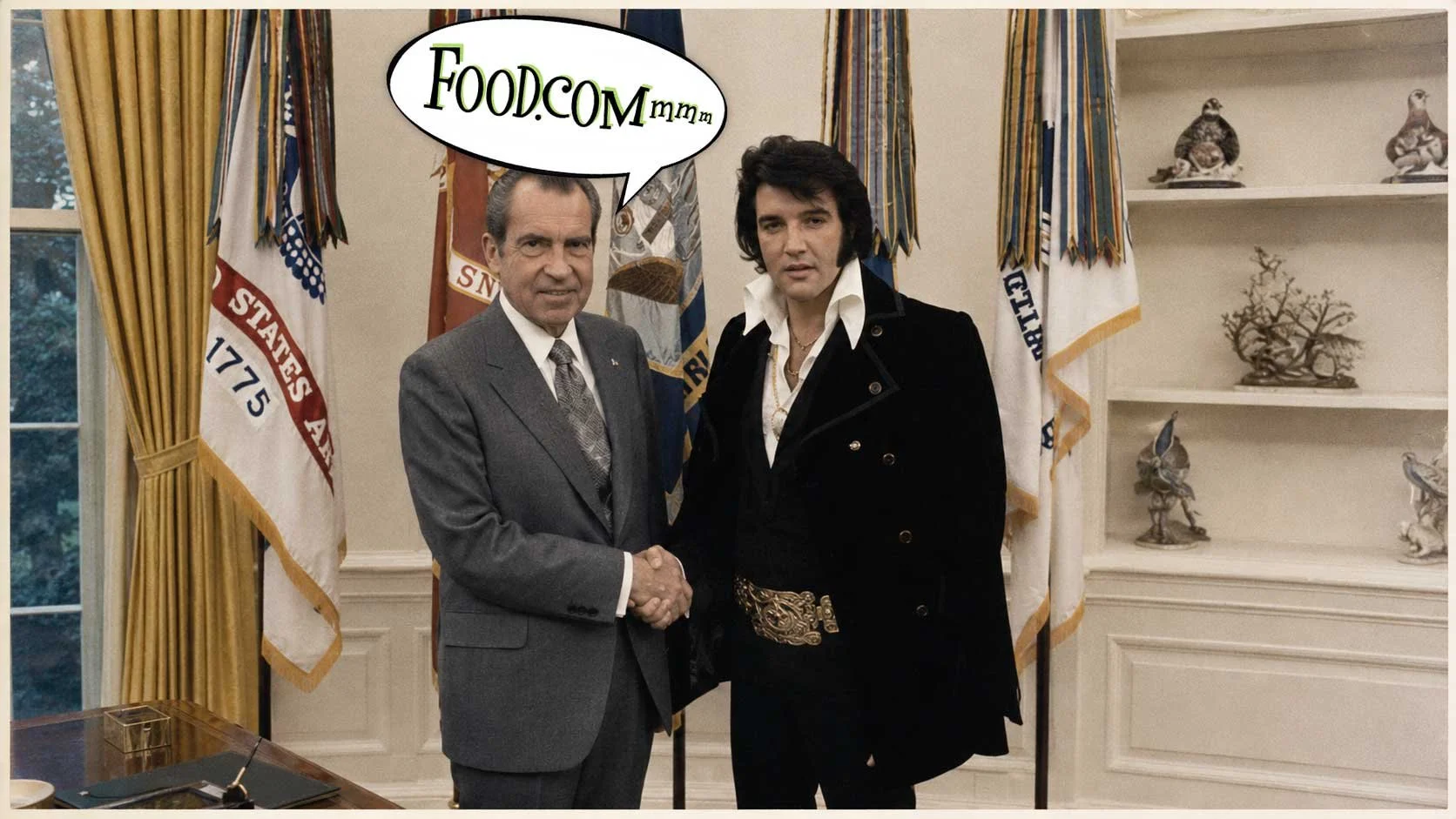
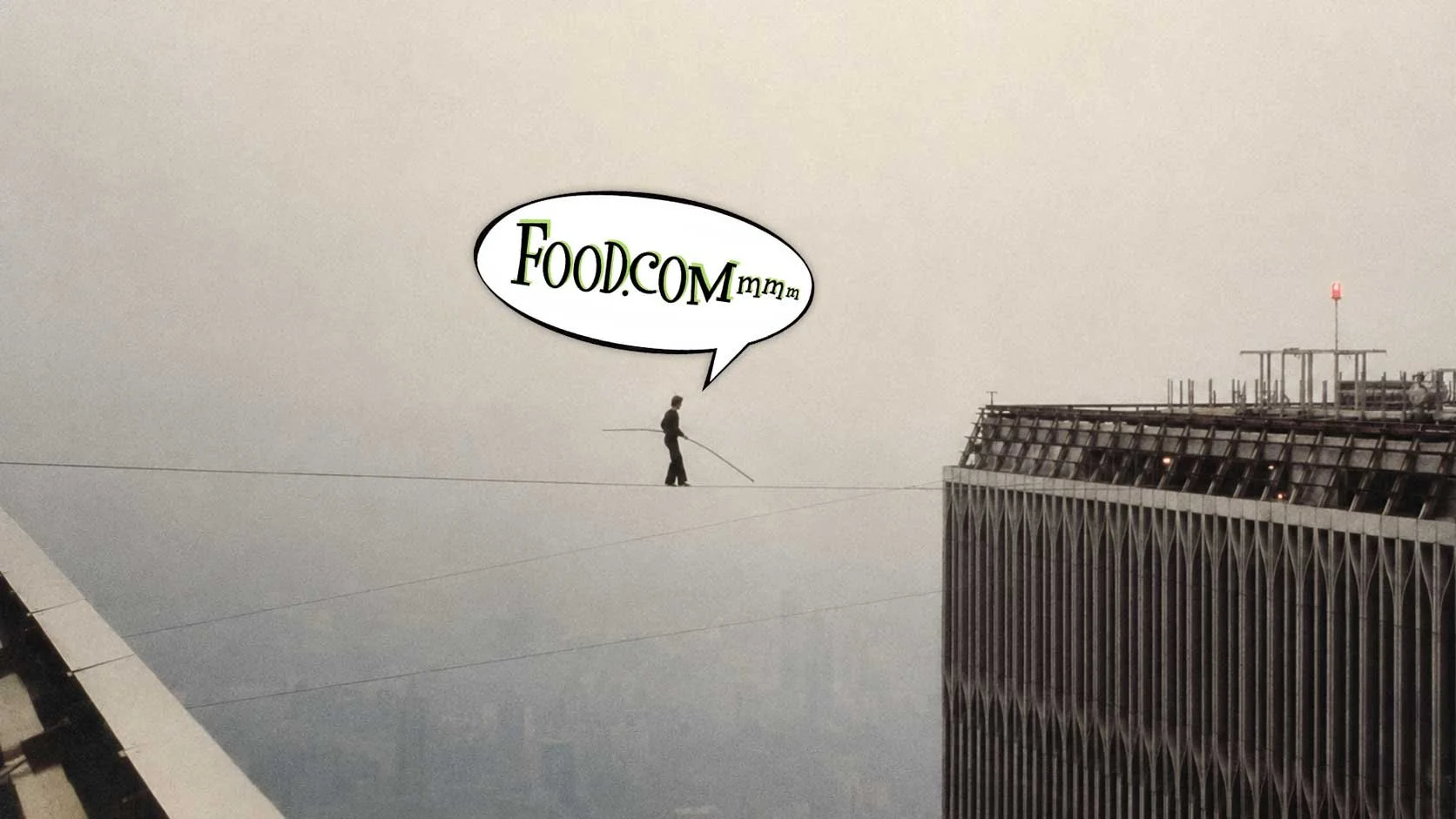
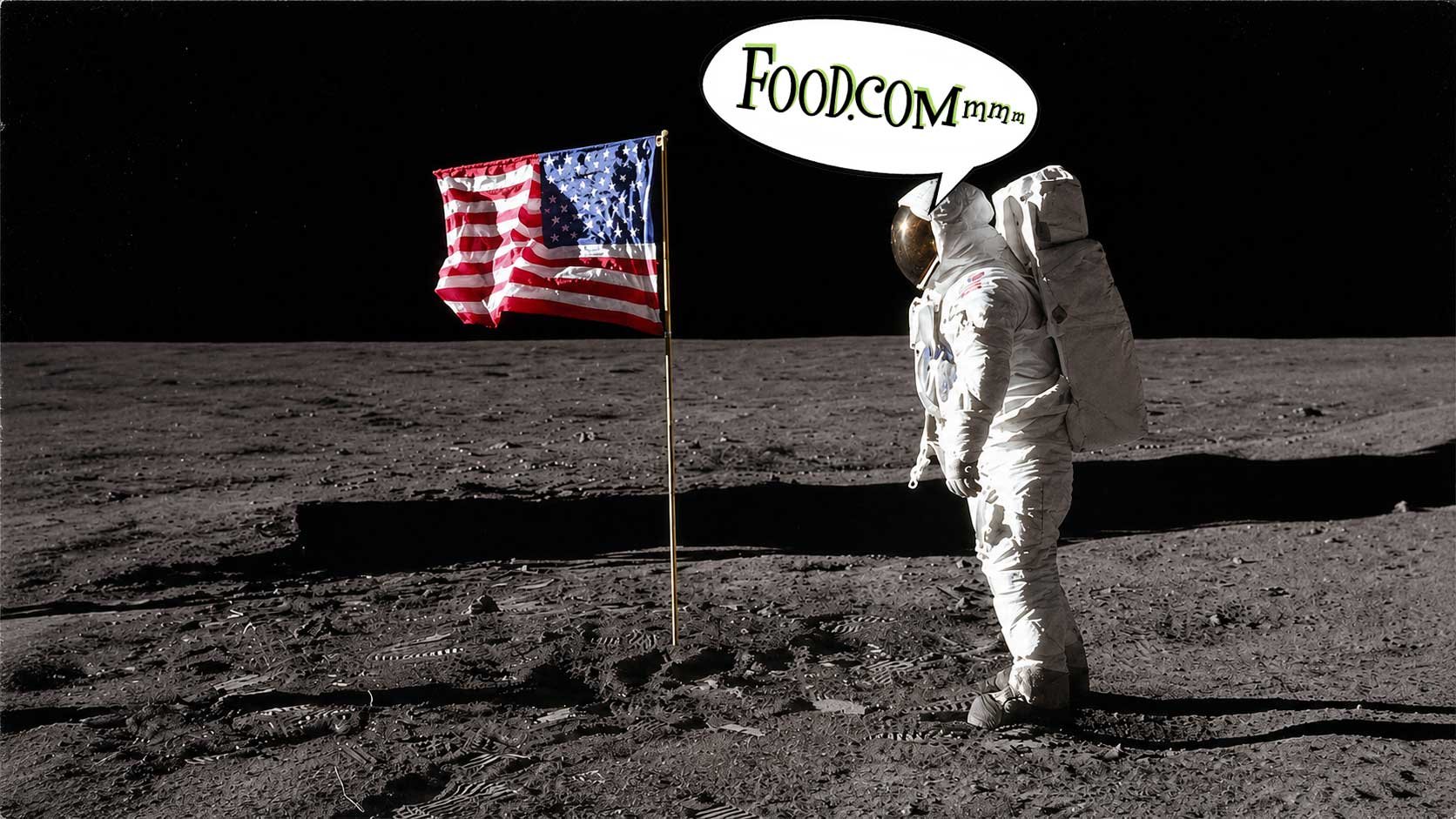
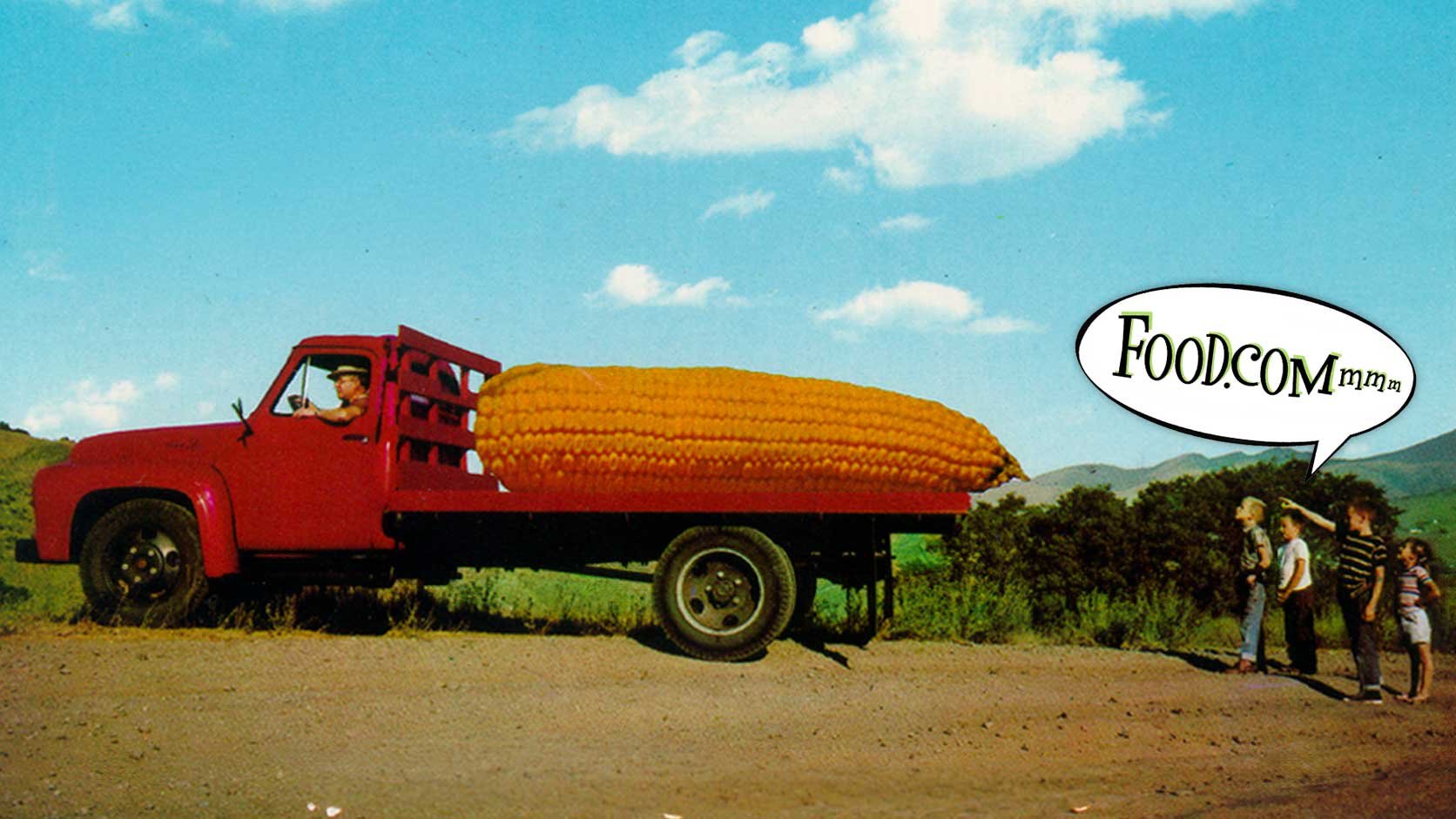
Most logos identify a brand. The FOOD.COM speech bubble did something more. It became a promotional device. Designed as a virtual and real removable sticker, the bubble could be dropped onto almost anything: a vintage photograph, a billboard, a menu, a bus, a postcard, a magazine, or a real-world object. Wherever it appeared, it transformed an ordinary moment into another reason to ‘Order In.’
Before memes had a name and before social media made remix culture commonplace, the FOOD.COM bubble was designed to behave like a real-world viral graphic, easy to reproduce, impossible to ignore, and infinitely adaptable.
It wasn’t just the logo. It was the campaign.
Campaign Style
The internet felt like a time machine. It connected people to the future while giving them instant access to the past. Rather than confine Food.com to a single era, we embraced that collision of time and built a campaign that belonged to all of them. The result was a campaign without a fixed time period. We built a world where Food.com could appear anywhere, in any decade, whenever life suggested there was a better answer. Every execution looked like it came from a different moment in history, but every one arrived at the same conclusion: Sometimes it's best to order in.
The TV Commercials
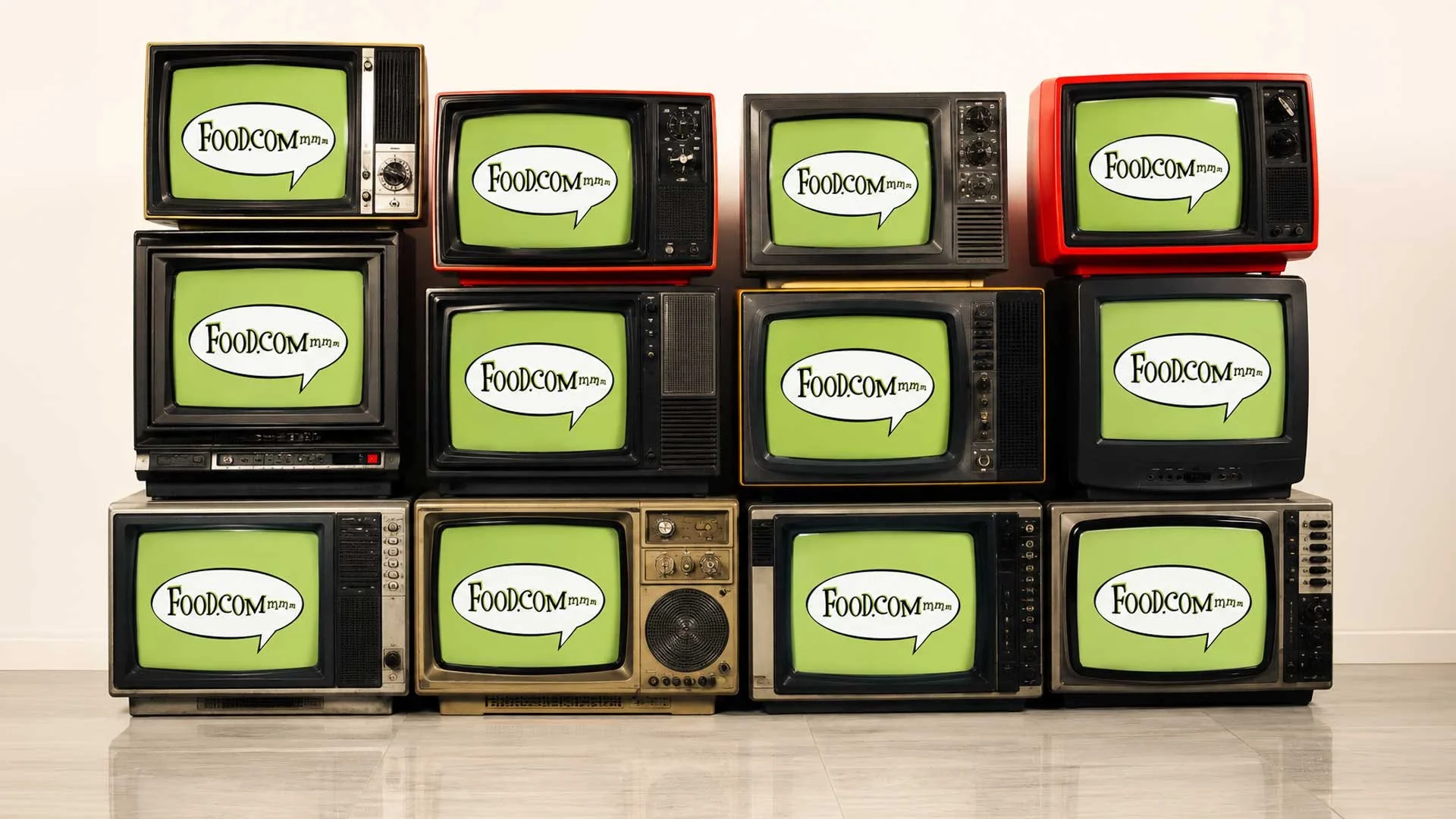
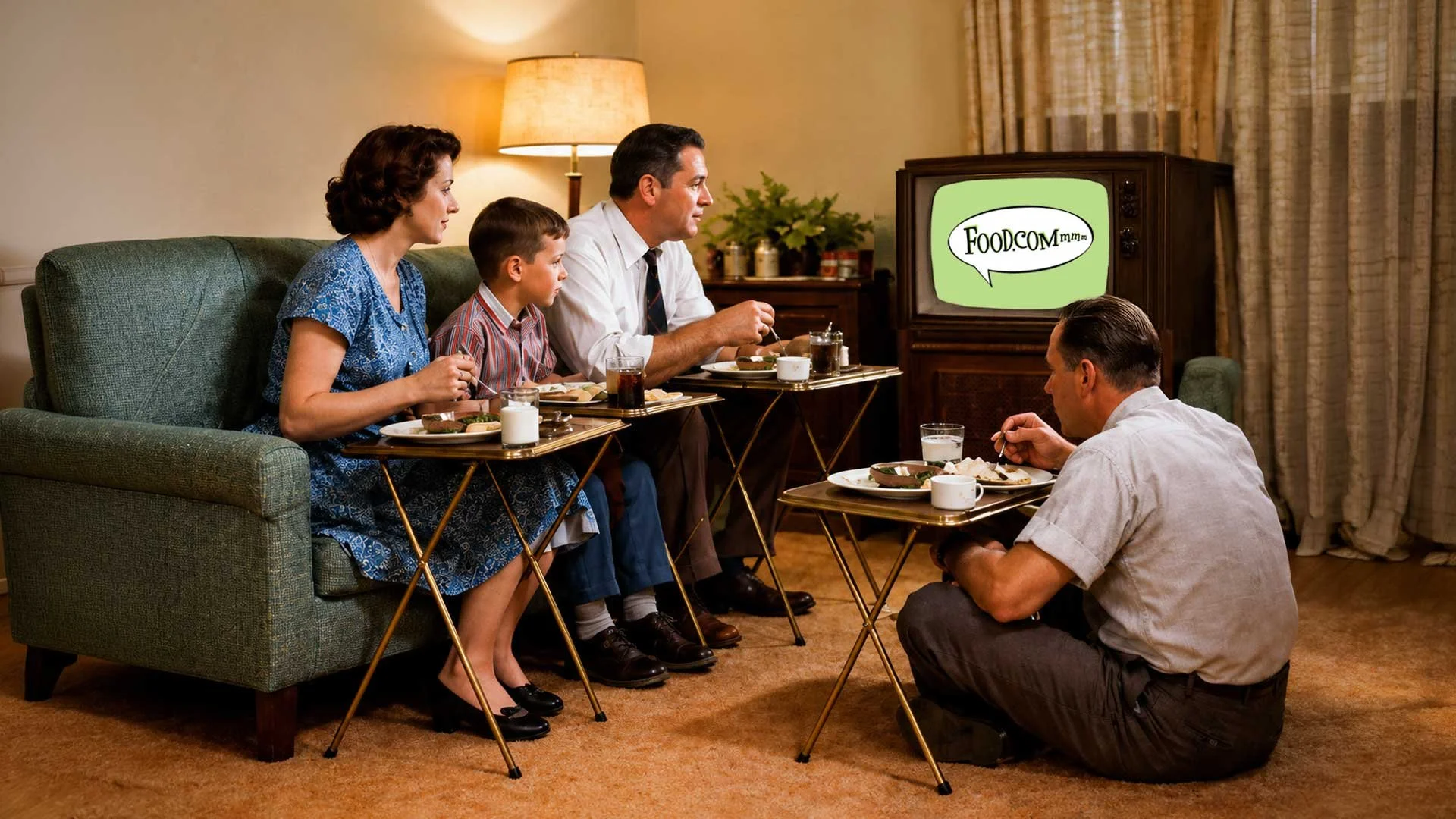
The television campaign was designed to behave just like the Food.com sticker. Rather than producing one traditional commercial, we created a library of self-contained ten-second stories that could be mixed and matched into :10, :30, and :60 second spots. The ten-second format wasn’t a budget decision. It was a creative strategy. In an era dominated by thirty-second commercials, these tiny stories were designed to interruptEach vignette functioned like another sticker placed onto popular culture. A quick interruption that dropped viewers into a humorous situation before delivering the same unmistakable punchline: Sometimes it’s best to order in
The Brand Rollout
With San Francisco serving as the epicenter of the dot-com boom, the city became our canvas. We launched an integrated outdoor campaign designed to make Food.com feel impossible to ignore. Billboards, bus shelters, transit posters, and street-level advertising transformed everyday commutes into a series of unexpected encounters with the brand. The city itself became part of the campaign.

Brand Design
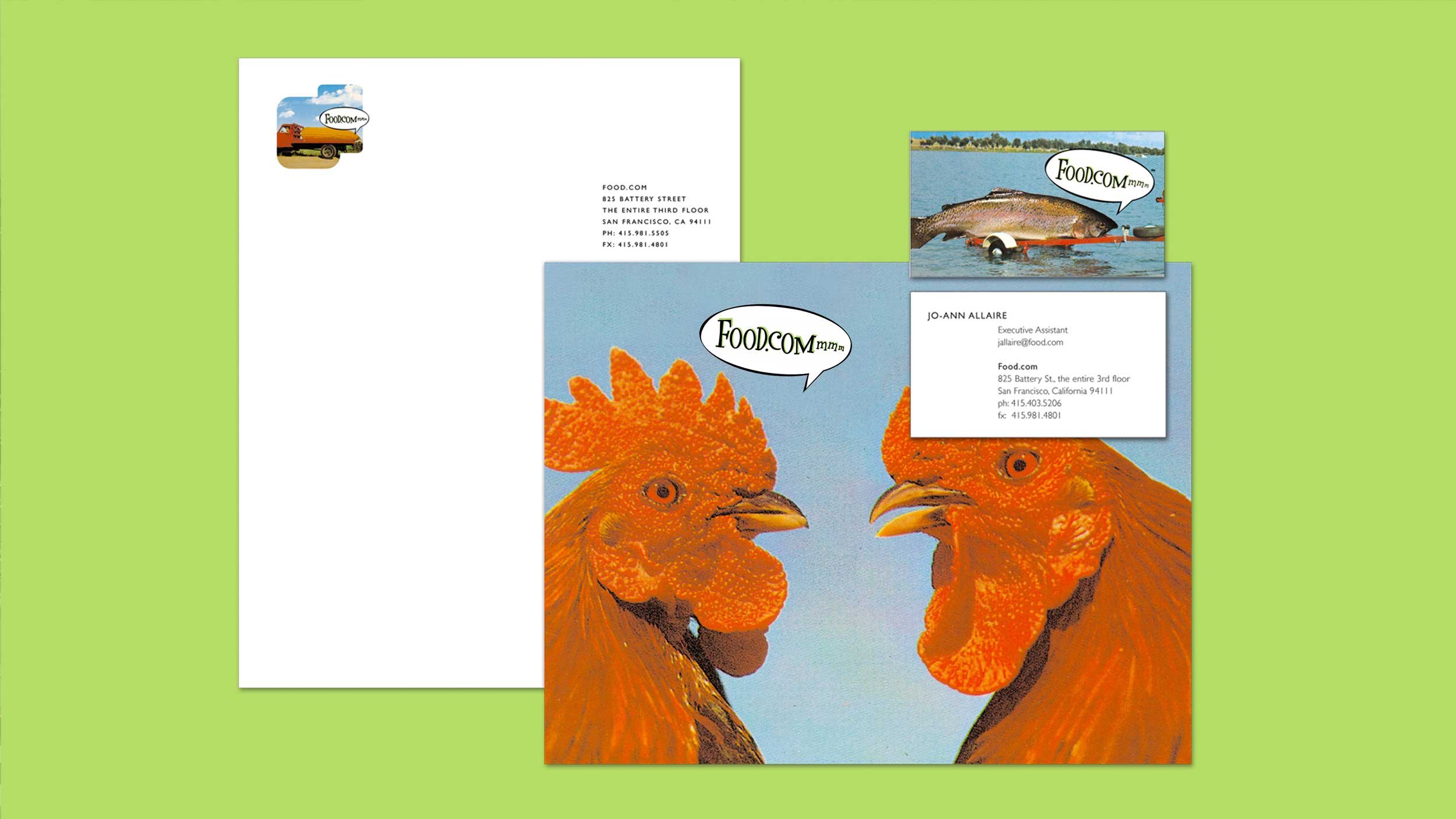
The visual system extended far beyond advertising. We designed the identity, sales materials, presentation books, restaurant recruitment kits, and launch collateral so every touchpoint felt like it belonged to the same slightly offbeat universe. Whether someone discovered Food.com on Market Street or from a postcard delivered in your mailbox, the brand always spoke with one voice.
A Slice Ahead of Time
The dot-com bubble eventually burst, taking Food.com with it.
But that's not the story we remember.
We remember a rare moment when the rules of branding were being rewritten in real time. Companies were being invented overnight, categories had no history, and the future was still waiting to be defined.
Food.com gave us the opportunity to build a consumer brand from the ground up, transforming a technology company into a brand people could understand, relate to, and invite into their homes.
Looking back, the campaign wasn't just ahead of its time, it became a blueprint for how emerging technologies could be introduced through familiar, human stories rather than technology alone.